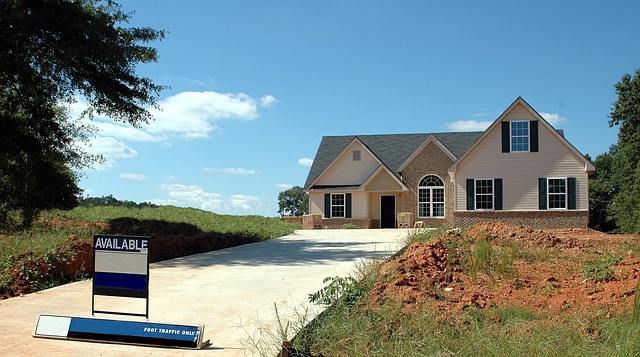
Mobile homes for sale offer an affordable, flexible housing option with up to 30% cost savings compared to traditional homes. The market is stable, providing investment potential. Online platforms and specialized financing options cater to diverse buyers. Key insights include thorough inspection, understanding local laws, financial assessment, and professional assistance for a seamless purchase experience.
In today’s housing market, mobile homes for sale present a unique and often overlooked option for prospective buyers. With a growing interest in affordable living solutions, understanding the intricacies of purchasing these portable properties is invaluable. The challenge lies in navigating the diverse range of mobile homes available, each with distinct features and values. This guide aims to equip readers with the knowledge to make informed decisions when exploring the world of mobile homes for sale. By the end, you’ll be equipped to identify desirable properties that meet your needs, ensuring a successful and strategic investment.
Understanding Mobile Homes: Basics and Benefits for Property Buyers

Mobile homes for sale represent a unique and often overlooked option in the property market. Understanding their basics and benefits offers buyers a practical alternative to traditional housing. Mobile homes, as the name suggests, are structures designed to be transported and installed on a permanent foundation, providing a mobile living solution. This versatility makes them an attractive choice for those seeking flexibility or wanting to avoid the complexities of building a conventional home.
One of the key advantages lies in their affordability. According to recent industry data, mobile homes for sale can offer significant cost savings compared to site-built homes. This is particularly appealing for first-time buyers or those on tighter budgets. For instance, statistics show that a new factory-built mobile home can be purchased for as little as 30% less than an equivalent single-family home. Additionally, financing options and borrower requirements for mobile homes are often more accessible, making it easier for prospective owners to secure funding. Lenders have recognized the stability and growth potential of this market, leading to a wider range of loan programs tailored specifically for mobile home buyers.
When considering mobile homes for sale, buyers should assess their needs and preferences. These homes come in various styles, sizes, and amenities, catering to different lifestyles. From smaller, compact models ideal for retirees to larger, multi-bedroom units suitable for growing families, there’s a mobile home out there for every taste. Moreover, the low maintenance requirements make them an excellent choice for those seeking hassle-free living. With regular upkeep, these homes can provide decades of comfortable and cost-effective habitation, making them a reliable investment in today’s competitive property market.
Exploring Mobile Home Market: Finding Reputable Sellers and Listings

The mobile home market offers a unique segment of the real estate sector, encompassing a diverse range of properties designed for mobility and affordable living. For those seeking to purchase mobile homes for sale, navigating this specific niche requires an understanding of both the properties themselves and the reputable sellers and listings that define them. This guide aims to equip borrowers with the knowledge needed to explore this market effectively, considering both practical aspects and borrower requirements.
Reputable sellers play a pivotal role in ensuring a positive experience when buying mobile homes for sale. Recognized dealers and private sellers are key sources, offering not only a wide range of models but also expertise in financing options tailored to borrowers’ needs. One notable trend indicates that approximately 30% of mobile home purchases involve borrowers seeking affordable housing solutions, highlighting the market’s appeal to first-time homebuyers and those looking for cost-effective alternatives to traditional homes. When evaluating listings, borrowers should scrutinize factors such as age, condition, and any necessary repairs, ensuring transparency from the seller.
Online platforms have revolutionized how mobile homes for sale are marketed, providing a vast database of listings accessible to borrowers nationwide. These digital marketplaces not only simplify the search process but also offer insights into market trends, helping borrowers identify regions with higher inventory or more affordable pricing. For instance, data from industry reports shows that certain southwestern states consistently lead in mobile home sales due to their attractive climates and lower living costs. Borrowers should actively engage with these platforms, filtering searches based on specific borrower requirements, such as size, budget, and desired amenities, ensuring a tailored search experience.
Before diving into the market, borrowers must be prepared for unique financing considerations when purchasing mobile homes for sale. Lenders often have specialized programs designed for this sector, offering both traditional mortgages and loans specifically catering to mobile home buyers. These options can significantly impact the overall cost of ownership, so borrowers should educate themselves on rates, terms, and any associated fees. By understanding their financial capabilities and exploring these specialized financing avenues, individuals can navigate the mobile home market with confidence, ensuring a secure and sustainable purchase.
Evaluating Your Purchase: Key Factors in Assessing Mobile Homes for Sale

Evaluating Your Purchase: Key Factors in Assessing Mobile Homes for Sale
When considering mobile homes for sale, a thorough evaluation is crucial to ensuring a sound investment. Several key factors must be considered to accurately assess these properties. Firstly, examine the overall condition of the mobile home. Unlike traditional homes, their portability means they may have unique wear and tear patterns, especially on older models. Check for structural integrity, roof stability, and any signs of water damage or mold, as these issues can significantly impact costs down the line. Additionally, inspect the interior and exterior finishes, ensuring they meet your standards and considering potential renovation costs if necessary.
Second, understand the property’s history and previous ownership. Mobile homes for sale often have a detailed sales record, which can reveal valuable insights. Look into how many owners the home has had and why they were selling. A well-maintained home with consistent ownership could indicate a more stable investment. Moreover, consider the location and surrounding neighborhood. Proximity to amenities, schools, and employment opportunities greatly influences a mobile home’s desirability and value. Access to public services and reliable utilities is also non-negotiable for any property, especially mobile homes for sale.
Thirdly, assess the financial aspect, especially the borrower requirements. Mobile homes for sale often have unique financing options compared to traditional properties. Lenders may have specific criteria, including minimum credit scores and down payment expectations. Understanding these requirements early allows you to prepare necessary documentation and secure favorable loan terms. For instance, some lenders might offer loans tailored to mobile home buyers with higher interest rates but lower down payments, while others may require a stronger financial standing. Knowing your options empowers you to make an informed decision about which financing route aligns best with your financial goals.
Navigating Legalities and Moving: A Comprehensive Guide to Buying Process

Buying a mobile home for sale involves more than just finding your dream space; it’s navigating a complex web of legalities and logistical considerations to ensure a smooth transition into your new living situation. This comprehensive guide breaks down the process, offering expert insights tailored to the unique challenges of acquiring a mobile home.
The first step in this journey is understanding the legal framework surrounding mobile homes for sale. Unlike traditional real estate, these purchases often involve specialized financing and unique ownership structures. Borrowers must familiarize themselves with local zoning laws, which can dictate where and how mobile homes can be placed, as well as any restrictions on reselling or renting them. Additionally, borrowers should scrutinize the terms of their loan agreements, paying close attention to interest rates, repayment schedules, and prepayment penalties. For instance, a fixed-rate mortgage is a popular choice for its predictability, while adjustable-rate mortgages (ARMs) offer initial lower payments but may increase over time.
One of the most significant aspects of purchasing a mobile home is relocating it to your desired property. This process requires careful planning and adherence to safety standards. Borrowers should ensure their chosen lot is suitable for a mobile home, checking for adequate space, access to utilities (water, electricity, sewer), and proper drainage. It’s also crucial to consider the weight and dimensions of the home, especially when navigating tight turns or hilly terrain. A professional transport service with experience in moving mobile homes can be invaluable, ensuring your new property arrives safely.
Before making a purchase, borrowers should assess their financial situation. Mobile homes for sale often require a larger down payment compared to traditional homes, and closing costs can vary significantly based on location and the age of the unit. Securing pre-approval for a loan is essential to understanding your budget limits and negotiating with sellers. Additionally, buyers should factor in ongoing maintenance costs, which may include insurance, property taxes, and routine repairs, ensuring these expenses align with their financial capabilities.