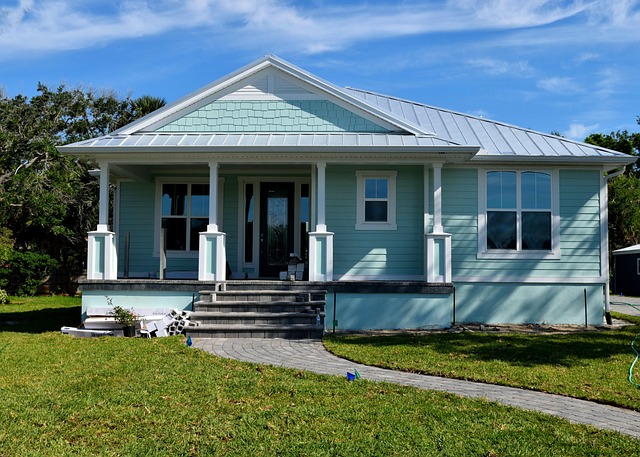
Mobile homes for sale offer a cost-effective housing solution with quality construction and amenities. The buying process involves defining budget and needs, property search, financing options, negotiation, and closing procedures. Location selection considers market trends, park conditions, borrower requirements, and infrastructure. Financing options include flexible loans tailored to individual needs. Regular inspections and maintenance ensure structural integrity and comfort. Careful planning, including financial assessment and understanding local rules, ensures a positive transition to mobile living.
In the modern real estate landscape, mobile homes for sale have emerged as a significant and often misunderstood segment of the housing market. With their versatility, affordability, and ability to cater to diverse lifestyles, these residential units offer a unique alternative to traditional homeownership. However, navigating the process can be daunting for potential buyers, who often face misconceptions and limited guidance. This article aims to demystify mobile homes for sale, providing an authoritative guide that educates buyers on the intricacies of purchasing this non-traditional yet appealing housing option. By the end, readers will possess the knowledge needed to make informed decisions in their search for mobile homes suitable for their needs.
Understanding Mobile Homes: Basics and Benefits

Mobile homes for sale represent a unique and attractive option for buyers seeking affordable housing solutions. Often misunderstood, these residential structures are more than just temporary or recreational vehicles; they are fully functional homes designed to meet modern living standards. Understanding mobile homes involves grasping their basic construction, versatility, and the significant benefits they offer in today’s real estate landscape.
The term “mobile home” encompasses a range of dwellings that can be towed and set up almost anywhere, making them highly adaptable. These homes are typically constructed off-site in factories, ensuring quality control and faster production times compared to traditional housing. Once assembled, they offer the same amenities and comforts as permanent residences, including kitchens, bathrooms, bedrooms, and living areas. This construction method not only reduces building costs but also allows for frequent relocation if desired, providing flexibility that is increasingly valuable in modern society.
One of the key advantages of mobile homes for sale is their affordability. According to recent market data, mobile home prices are approximately 30-40% lower than traditional single-family homes. This cost-effectiveness is especially appealing to first-time homebuyers, retirees, or individuals seeking a more budget-friendly lifestyle change. Additionally, financing options for mobile homes are readily available, with many lenders offering specialized loans designed specifically for these properties. Borrowers can benefit from flexible terms and competitive interest rates when purchasing a mobile home, further enhancing its financial appeal. When considering mobile homes for sale, understanding borrower requirements is essential. Lenders typically assess factors such as income stability, creditworthiness, and the value of the property to determine loan eligibility and terms, much like with any other real estate transaction.
The Mobile Home Buying Process: Step-by-Step Guide
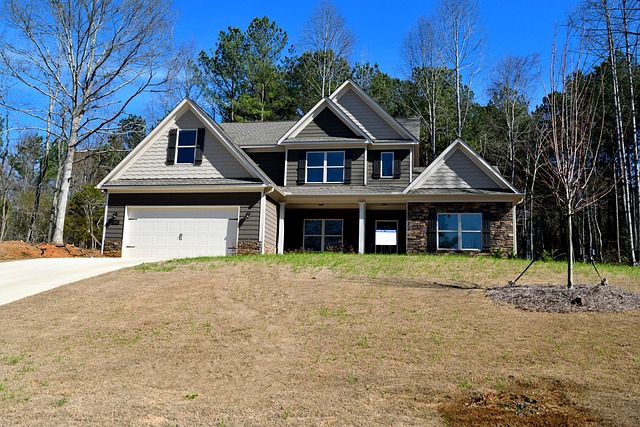
The mobile home buying process involves several steps designed to ensure a smooth transition from prospective buyer to proud owner of a comfortable, functional home. It begins with defining your budget and needs, followed by searching for suitable properties that align with those criteria. Once you’ve identified potential mobile homes for sale, it’s crucial to thoroughly inspect them to assess their condition and make an informed decision. This includes checking the overall structure, mechanical systems, and any necessary repairs or upgrades.
Next, understanding the financing options is paramount. Many borrowers opt for traditional mortgages, while others choose loans specifically tailored for mobile homes for sale. Lenders will evaluate your financial situation, credit history, and down payment to determine eligibility. It’s beneficial to consult with a mortgage specialist who can guide you through this process and help secure the best terms. For instance, Federal Housing Administration (FHA) loans are popular among first-time buyers due to their flexible requirements.
After securing financing, it’s time to negotiate and make an offer on your desired mobile home. This involves careful consideration of market conditions, comparable sales, and the seller’s motivations. Once accepted, you’ll enter into a legal contract, followed by closing procedures where all parties—including appraisers, inspectors, and lawyers—work together to finalise the sale. Data shows that approximately 80% of mobile home buyers use a real estate agent, who can provide valuable insights and facilitate negotiations throughout the process.
Location Matters: Finding the Right Mobile Home Park
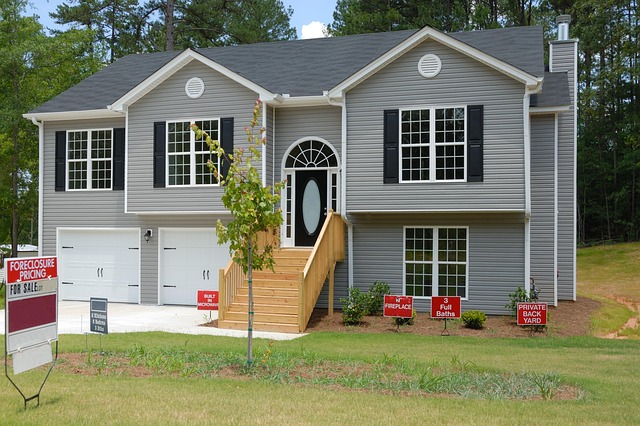
Choosing the right location is a cornerstone of any successful mobile homes for sale endeavor. When perusing the options for mobile homes for sale, buyers must consider more than just aesthetics; they need to navigate the intricate web of factors that determine the value and viability of a potential park. This includes evaluating the local market trends, understanding demographic shifts, and assessing the park’s physical condition and amenities. For instance, a bustling community with strong economic indicators might offer higher resale values over time compared to quieter, more isolated areas.
Moreover, the mobile homes for sale borrower requirements vary based on location. Financial institutions often conduct thorough assessments of the park’s revenue streams, occupancy rates, and maintenance costs before extending loans. A prospective buyer should be prepared to demonstrate a solid understanding of these factors. For instance, a well-maintained park with high occupancy rates and strong community engagement is more likely to attract favorable loan terms, reflecting its stability and potential for long-term growth.
Another critical aspect is the accessibility and infrastructure surrounding the park. Good location means easy access to essential services like schools, healthcare facilities, and transportation hubs. These factors impact not only the day-to-day lives of residents but also the overall appeal and desirability of the mobile homes for sale within the park. Additionally, parks nestled in areas with well-developed infrastructure benefit from better utility services, reliable internet connectivity, and efficient waste management systems, all of which contribute to a higher quality of life for residents.
In light of these considerations, buyers should approach their search with a blend of strategic thinking and empathy for future residents. By carefully evaluating location, market trends, financial viability, and infrastructure, savvy buyers can identify mobile homes for sale that not only meet their immediate needs but also offer promising prospects for long-term investment and community development.
Financing Options for Your Dream Mobile Home

Financing your dream mobile home is an exciting yet crucial step in the buying process, and understanding the available options is key to making informed decisions. Mobile homes for sale offer a unique opportunity to own a home with flexible financing plans tailored to individual needs. Lenders recognize the appeal of mobile homes as viable properties, especially in light of the growing trend towards more affordable housing solutions. One of the primary advantages for buyers is the variety of loan types and terms available, which can make ownership more accessible than traditional home purchases.
When exploring mobile homes for sale, borrowers should be prepared to meet specific requirements set by lenders. These criteria often include a stable income, proof of employment, and a good credit history. Lenders assess these factors to determine eligibility for financing. For instance, fixed-rate loans are popular choices, offering consistent monthly payments over the life of the loan, while adjustable-rate mortgages (ARMs) provide initial lower rates that can change over time, suiting borrowers with flexible budgets. Down payment requirements also vary; some lenders offer low down payment options, making it easier for buyers to enter the market. It’s essential to compare different loan offers and consider factors like interest rates, term lengths, and any associated fees.
To maximize your chances of securing a favorable loan, maintain a strong credit score, and ensure you meet the borrower requirements set by lenders specializing in mobile home financing. These measures will not only improve your lending options but also potentially earn you more competitive terms. Remember, choosing the right financing option for your mobile home purchase is a significant decision that can impact your long-term financial stability and enjoyment of your new living space.
Inspection and Maintenance: Ensuring Quality Living

When considering mobile homes for sale, performing a thorough inspection and implementing regular maintenance routines are essential to ensure you’re investing in a quality property that offers optimal living. Mobile homes, despite their name, often come with unique challenges that buyers must be aware of. One of the primary benefits is their portability; however, this also means they may require more specialized care to maintain their structural integrity and overall comfort.
An extensive inspection should cover both exterior and interior aspects. Exterior features such as roofing, siding, and skirting should be assessed for signs of wear or damage caused by weather conditions or pests. The foundation, especially in older models, needs careful scrutiny as it can impact the home’s stability and energy efficiency. Interior components like flooring, plumbing, electrical systems, and HVAC (heating, ventilation, and air conditioning) are critical to evaluate. Major appliances, including the water heater, should be checked for functionality and age, as they can significantly impact utility costs over time.
Regular maintenance plays a pivotal role in prolonging the lifespan of mobile homes for sale. A consistent schedule includes cleaning and sealing air leaks around windows and doors to enhance energy efficiency, inspecting and replacing worn-out components like batteries and filters, and addressing any plumbing or electrical issues promptly. Many lenders and financial institutions have specific borrower requirements related to property maintenance, especially when securing a loan for mobile homes. These guidelines aim to protect both the borrower and the lender by ensuring the home remains in good condition, thereby preserving the value of the investment. For instance, some lenders may mandate that borrowers address significant repairs or maintain a minimum level of insurance coverage.
By prioritizing inspections and implementing proactive maintenance practices, potential buyers can navigate the market for mobile homes for sale with confidence, securing a safe and reliable living space while making informed financial decisions aligned with their borrower requirements.
Making the Move: Tips for a Smooth Transition

Making the move to a mobile home can be an exciting yet daunting experience. For many, it represents a significant change in lifestyle, one that requires careful planning and consideration. A smooth transition involves understanding not just the features of mobile homes for sale but also navigating the complexities of financing and borrower requirements. This process demands a holistic approach, combining practical insights with expert advice tailored to your unique situation.
Before diving into the purchase, prospective buyers should assess their financial health. Mobile homes for sale often come with various loan options, including traditional mortgages or specialized financing programs. Lenders will evaluate your creditworthiness based on factors like credit score, debt-to-income ratio, and employment history—much like any other property acquisition. It’s crucial to ensure you meet these borrower requirements to increase your chances of securing favorable terms and a successful transaction. For instance, maintaining a good credit score can lead to lower interest rates and better loan conditions.
Location is another key consideration. Unlike traditional homes, mobile homes are often located in dedicated parks or communities designed specifically for this type of living. Researching these areas, understanding the park rules, and evaluating amenities can greatly impact your overall satisfaction. Additionally, being aware of local zoning laws and restrictions on ownership and residency periods is essential to avoid unexpected challenges during your transition. Remember that while mobile homes offer flexibility and affordability, they are still a significant investment, and careful consideration is vital for a positive experience.