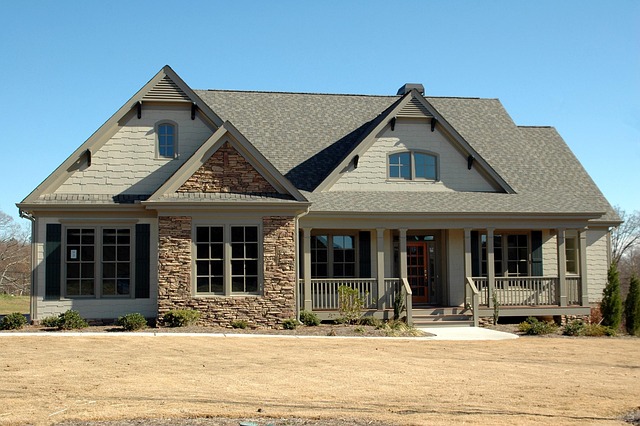
Mobile homes for sale offer an affordable and flexible housing option with lower maintenance costs and established communities. Key steps include budget determination, pre-approval, inspection, negotiation, and relocation. Location influences market opportunities and property appreciation, requiring research into local trends and zoning laws. Financing involves specific requirements and down payments, while maintenance focuses on structural integrity, ventilation, and moisture control. Understanding these aspects ensures a successful and sustainable mobile home ownership experience.
In today’s dynamic housing market, mobile homes for sale have emerged as a flexible and accessible option for buyers seeking affordable living solutions. As an increasingly popular choice across various demographics, understanding the nuances of this sector is paramount for both first-time buyers and seasoned investors. This article aims to demystify the process of purchasing mobile homes, offering a comprehensive guide that educates readers on market trends, essential considerations, and strategic approaches to navigate this dynamic landscape effectively. By the end, you’ll be equipped with the knowledge needed to make informed decisions when exploring mobile homes for sale.
Understanding Mobile Homes: Basics and Benefits

Mobile homes for sale represent a unique and flexible housing option, offering both affordability and mobility. Understanding mobile homes involves grasping their essential characteristics as well as the benefits they bring to prospective buyers. These homes, often mistaken for trailers, are built to withstand tough conditions and provide comfortable living spaces that can be easily relocated or expanded. In today’s market, a growing number of people are opting for mobile homes for sale due to their cost-effectiveness compared to traditional housing, especially in areas where land prices are high.
One of the key advantages is accessibility; mobile homes offer a chance to own a home at a fraction of the cost of a site-built house. This affordability opens doors for first-time homebuyers or those on fixed incomes. Moreover, maintenance costs tend to be lower due to their smaller size and the fact that many parks provide amenities like water, sewage, and electric connections. Mobile homes for sale often come with established communities, providing social interaction and a sense of belonging that can enhance quality of life, especially for retirees or individuals seeking a simpler lifestyle.
For borrowers considering mobile homes for sale, understanding the borrower requirements is crucial. Lenders typically have specific criteria for financing these properties, including down payment expectations and loan terms. Exploring options with local lenders or real estate agents familiar with mobile home loans can help buyers navigate these requirements smoothly. Data suggests that mobile homes represent a stable investment, with historical trends indicating strong resale values, especially in well-maintained parks. This stability makes them an attractive option for those seeking both housing security and financial savings.
The Mobile Home Buying Process: Step-by-Step Guide
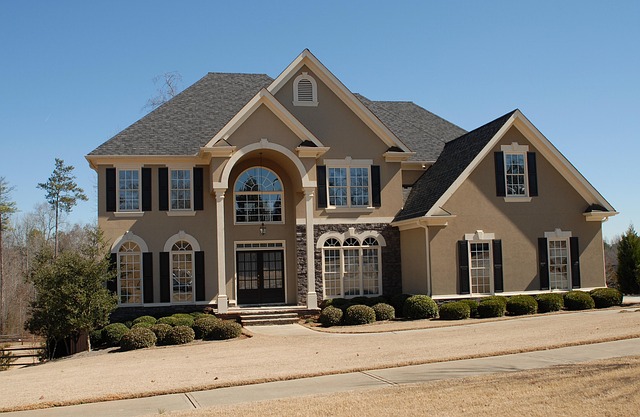
The journey to owning a mobile home begins with understanding the unique buying process. Here’s your step-by-step guide to navigating the market for these portable residences. First, define your budget and preferences; this will dictate your search criteria, such as size, amenities, and location. Mobile homes for sale come in various styles and prices, so pre-approval from lenders specializing in mobile home financing is crucial. These experts can outline borrower requirements, ensuring you’re well-prepared to make an offer.
Once pre-approved, start exploring listings. Visit dealers and private sellers to get a feel for the market. Compare floor plans, exterior features, and available upgrades. Remember, mobile homes for sale often include unique benefits like lower maintenance costs and flexible living arrangements. However, consider that some properties might require additional investments for necessary repairs or renovations.
When ready, make an offer on your desired home. Negotiate terms and conditions, ensuring a fair deal. After acceptance, prepare for the final steps: inspection, closing, and relocation. An independent inspector can assess the home’s condition, identifying potential issues. Upon approval from your lender and settlement agent, you’ll close the deal and officially become the owner of your new mobile residence.
Location Matters: Finding the Best Mobile Homes for Sale
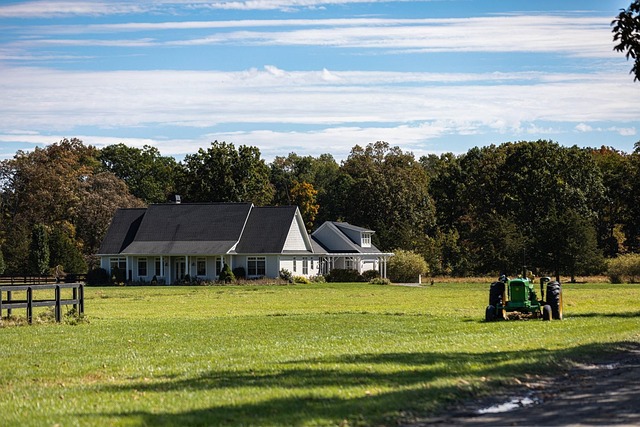
When considering mobile homes for sale, location plays a pivotal role in shaping your overall experience as a buyer. The market for these residences varies widely across regions, offering unique opportunities and challenges. For instance, areas with a high demand for affordable housing often see a diverse selection of mobile homes for sale, while secluded rural communities might have limited inventory but more negotiation room on price. Understanding local trends is crucial; a borrower’s requirements, such as financing options and down payment capabilities, should align with the market dynamics to secure the best deals.
Geographic factors also influence value appreciation. Mobile homes located in areas with vibrant economic growth or scenic natural settings may appreciate faster due to increased desirability. Conversely, remote locations might face slower appreciation or even depreciation over time. Borrowers seeking long-term investments should factor in these trends when evaluating mobile homes for sale. Access to essential services like schools, healthcare, and shopping centers also enhances a property’s appeal and resale value.
Moreover, local zoning laws and community regulations can impact your decision. Some areas may have restrictions on where and how mobile homes can be placed, affecting their overall livability. Checking these guidelines early in the process is vital to ensure your chosen mobile home aligns with the neighborhood’s standards. By carefully considering location-specific factors, borrowers can make informed decisions when navigating the market for mobile homes for sale and secure properties that meet both their needs and long-term goals.
Financing and Maintenance: Owning Your Dream Mobile Home

Owning a mobile home can be an attractive option for many buyers, offering both affordability and flexibility. However, navigating the financing and maintenance aspects is crucial to ensure a smooth ownership experience. For those in the market for mobile homes for sale, understanding these factors is essential from the outset.
Financing mobile homes for sale involves unique considerations compared to traditional home purchases. Lenders often have specific borrower requirements, such as demonstrating sufficient income and stable employment. This is due to the unique nature of mobile homes, which are considered personal property rather than real estate in many jurisdictions. Prospective buyers should expect to provide detailed financial documentation, including tax returns, pay stubs, and bank statements, to establish their creditworthiness. Additionally, a down payment may be required, typically ranging from 10% to 20% of the purchase price, which can impact the overall cost of ownership.
Maintenance is another critical aspect that sets mobile homes apart from their stationary counterparts. Mobile homes for sale require regular upkeep to maintain their value and ensure longevity. This includes both interior and exterior care, such as cleaning, painting, and addressing any structural issues promptly. For instance, maintaining proper ventilation and moisture control is vital to prevent mold growth, a common challenge in enclosed spaces. Regular inspections by professionals are recommended to identify potential problems early on. Furthermore, buyers should be aware of the costs associated with repairs and upgrades, which can vary widely depending on the age and condition of the home.
To streamline the process, borrowers should familiarize themselves with the available financing options tailored to mobile homes for sale. Many lenders offer specialized loans, often with competitive rates and flexible terms. Researching these options and comparing rates from different lenders can help buyers secure favorable terms. Additionally, establishing a routine maintenance schedule and budgeting for unexpected repairs will contribute to long-term cost savings. By proactively addressing these financing and maintenance considerations, prospective owners can turn their dream of living in a mobile home into a reality while ensuring a sustainable and enjoyable ownership experience.