Mobile homes for sale offer affordable housing with unique benefits: flexibility, low initial costs, and desirable locations. Borrowers face specialized requirements, including higher down payments and shorter loan terms. Strategic navigation involves understanding financial needs, researching market trends, and evaluating property conditions. Proper inspection, maintenance, and financing options are crucial. Choosing a community with desired amenities aligns with lifestyle preferences and borrower requirements, enhancing the mobile home ownership experience.
In today’s dynamic housing market, exploring alternative living solutions is more pertinent than ever. Among the diverse options, mobile homes for sale stand out as a flexible, cost-effective choice for homeowners seeking both comfort and portability. However, navigating this unique real estate segment can be challenging, with uncertainties surrounding quality, location, and affordability. This comprehensive guide aims to demystify the process, offering an authoritative resource for prospective buyers. We’ll delve into the intricacies of purchasing mobile homes, from assessing different types and brands to understanding market trends and ensuring a smart investment. By the end, readers will possess the knowledge to make informed decisions in this dynamic marketplace.
Understanding Mobile Homes: A Comprehensive Overview

Mobile homes for sale represent a unique and often overlooked segment of the real estate market, offering an affordable housing solution for prospective homeowners. Understanding mobile homes, their characteristics, and the associated purchasing process is crucial for anyone considering this option. These homes, despite their name, are not just temporary structures but well-established residential buildings that can be owned outright or through financing, similar to traditional houses.
When delving into mobile homes for sale, borrowers should be aware of specific requirements distinct from conventional mortgages. Lenders often consider the value of the land and the home as a package, assessing the combined market value to determine loan eligibility and interest rates. This process requires thorough inspection and appraisal to ensure the property meets safety standards and fair market value guidelines. For instance, in regions with a high cost of living, mobile homes on larger plots can offer significant equity potential for borrowers, but they must also factor in local property taxes and maintenance costs.
A key advantage lies in the flexibility these homes provide—both in terms of location and customization. Mobile home parks offer communities with low-maintenance living, while the ability to own the land separately from the home itself can be advantageous for financial planning. According to recent data, mobile home sales have shown resilience, especially in regions with attractive lifestyles and affordable living costs, where they are often seen as a permanent housing solution rather than a temporary one. Borrowers interested in this option should proactively engage with lenders who specialize in mobile home financing to gain access to competitive rates and tailored loan programs that meet their unique needs.
Benefits and Considerations for Buying a Mobile Home
Buying a mobile home can be an attractive option for many homeowners, offering both flexibility and affordability. Mobile homes for sale present unique advantages such as lower initial costs compared to traditional housing, especially in areas with high property values. This accessibility makes homeownership more feasible for first-time buyers or those on tighter budgets. Furthermore, the mobility aspect allows owners to relocate easily, providing an opportunity to explore different communities or follow employment prospects.
However, considerations are vital when purchasing a mobile home. Borrowers should understand that mortgage options and requirements differ significantly from conventional homes. Lenders often have specific criteria for mobile home loans, including higher down payments and shorter loan terms. For instance, according to the Federal Housing Administration (FHA), borrowers typically require a 10% down payment on a mobile home loan compared to 3.5% for a traditional FHA-backed mortgage. Additionally, property taxes, insurance, and maintenance costs can vary widely depending on the park’s rules and location, so thorough research is essential.
Before diving into the market, prospective buyers should assess their financial health and consult with lenders who specialize in mobile home financing to understand the borrower requirements. This process ensures a smooth transition into homeownership while acknowledging the distinct characteristics of the mobile home lifestyle. By weighing the benefits against these considerations, buyers can make an informed decision when navigating the mobile homes for sale market.
Navigating the Market: Finding Mobile Homes for Sale
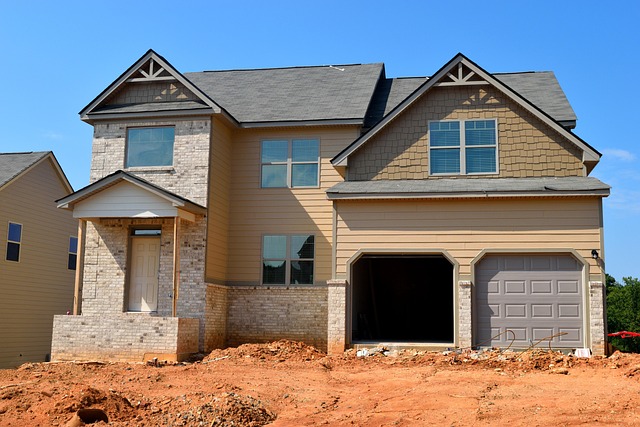
Navigating the market for mobile homes for sale involves a thoughtful blend of strategy, research, and understanding borrower requirements. This process demands more than just browsing listings; it requires a deep dive into the unique characteristics and benefits of mobile homes as an investment or living solution. Firstly, prospective buyers should assess their financial position and understand the specific borrower requirements associated with mobile homes for sale. Lenders often have specialized programs tailored to this type of real estate, offering both advantages and considerations distinct from traditional home loans. For instance, some lenders may require a higher down payment or have stricter credit score criteria.
To find the most suitable mobile homes for sale, buyers should leverage various resources. Online platforms dedicated to mobile home sales provide extensive databases, allowing users to filter options based on location, price, and features. Additionally, local real estate agents specializing in mobile homes can offer valuable insights into market trends, emerging neighborhoods, and properties that might not yet be listed publicly. Engaging with these professionals can help buyers avoid missed opportunities and gain a competitive edge.
Once identified, prospective borrowers should thoroughly evaluate each mobile home for sale, considering factors beyond the initial cost. Operational expenses, such as utility bills, maintenance costs, and potential community fees, significantly impact long-term ownership. Moreover, assessing the condition of the property, including any necessary repairs or renovations, is crucial. Data from industry reports can provide insights into average maintenance costs and typical resale values, empowering buyers to make informed decisions.
Understanding borrower requirements and thoroughly evaluating properties equips buyers with the knowledge to navigate the market effectively. This approach ensures that they find not just mobile homes for sale but those that align with their financial capabilities, offer value over time, and meet their specific needs and preferences. Ultimately, this strategic approach can lead to a satisfying and sustainable mobile home ownership experience.
Inspection and Maintenance: Ensuring Quality and Safety

When considering mobile homes for sale, proper inspection and ongoing maintenance are paramount to ensuring quality and safety. Buyers often overlook these critical aspects, viewing them as mere formalities. However, comprehensive examination and diligent upkeep can significantly impact the long-term value and livability of these dwellings. A thorough pre-purchase inspection reveals potential issues, from structural integrity to essential systems like plumbing and electrical work. For instance, a study by the National Association of Realtors found that nearly 40% of mobile homes had at least one major repair need upon initial assessment.
Maintenance protocols should be tailored to each home’s unique characteristics and age. Regular checks include inspecting roof seals for leaks, ensuring proper ventilation in attics and crawl spaces, and verifying the condition of exterior skirting. Interior maintenance involves examining flooring, walls, and ceilings for signs of water damage or mold growth. Addressing these matters promptly is crucial; neglecting them can lead to more severe, costly repairs down the road. Borrowers purchasing mobile homes for sale should familiarize themselves with recommended maintenance schedules and be prepared to allocate resources for upkeep, especially as the home ages.
Expert advice suggests establishing a routine inspection and maintenance program, perhaps every six months or annually. This proactive approach allows for early detection of wear and tear, ensuring any issues are addressed before escalating. Additionally, borrowers should keep detailed records of repairs, including dates, costs, and work performed. Such documentation not only aids in future maintenance planning but also demonstrates responsible homeownership to lenders during refinancing or loan applications. By embracing these practices, mobile home owners can safeguard their investment, enhance living conditions, and navigate the borrower requirements associated with maintaining these properties effectively.
Financing Options: Making Your Dream Affordable

Financing options play a pivotal role in turning your dream of owning a mobile home into a reality. The process can be particularly rewarding as it allows for more flexibility compared to traditional real estate purchases. Understanding various financing mechanisms and borrower requirements specific to mobile homes for sale is key to making informed decisions.
One popular option involves loans through the Federal Housing Administration (FHA). These are attractive to borrowers due to their lower down payment mandates, often just 3.5% of the purchase price, compared to conventional mortgages’ typical 20%. FHA loans also offer flexible credit score requirements, making them accessible for a broader range of buyers. For instance, a credit score of 580 or higher generally qualifies individuals for these loans. Furthermore, these programs cater to the unique aspects of mobile homes, including their lower appraised values and potential for relocation, making them ideal for those seeking mobility alongside homeownership.
Another avenue is exploring private lenders or finance companies specializing in mobile home financing. These entities often provide more tailored packages, including adjustable-rate mortgages (ARMs) that can offer initial lower interest rates followed by potential rate adjustments over time. Borrowers should be mindful of variable interest rates and ensure they understand the terms to avoid surprises. In 2022, a survey revealed that approximately 30% of mobile home buyers utilized private financing, highlighting its growing popularity.
Before proceeding with any mobile homes for sale, borrowers should thoroughly assess their financial situation and compare offers from multiple lenders. This strategic approach ensures you secure the best terms tailored to your needs. Remember, understanding borrower requirements and exploring diverse financing options can make the purchase of a mobile home not only feasible but also an exciting step towards securing your ideal living space.
Choosing the Right Community: Lifestyle and Amenities

Choosing the right mobile home community is a pivotal decision for prospective buyers, as it significantly influences their overall lifestyle and satisfaction. When considering mobile homes for sale, understanding the amenities and offerings of potential neighborhoods is key to making an informed choice. This aspect often sets apart communities that cater to diverse needs and preferences. For instance, some communities prioritize quiet seclusion with natural surroundings, while others flourish with vibrant social hubs and a wide array of recreational facilities.
Lifestyle considerations extend beyond physical attributes. Top-tier mobile home communities often boast well-maintained common areas, organized social events, and robust security measures, fostering a sense of community among residents. Access to essential services like healthcare facilities, quality schools, and convenient shopping centers is another critical factor. For borrowers considering mobile homes for sale, understanding these community dynamics is vital. Lenders may assess the desirability and stability of a location, impacting loan terms and interest rates. Therefore, aligning your financial goals with a community that meets both personal preferences and borrower requirements is essential.
Amenities play a significant role in enhancing the overall mobile home ownership experience. Some communities offer luxurious facilities like swimming pools, fitness centers, and clubhouses, encouraging residents to stay active and connected. Others might focus on sustainability with eco-friendly initiatives, such as solar panel usage and recycling programs. Access to high-speed internet, mail services, and on-site maintenance support are also valuable amenities that contribute to a seamless living experience. When evaluating mobile homes for sale, borrowers should scrutinize these offerings to ensure they align with their lifestyle expectations and financial capabilities.
Ultimately, the choice of a mobile home community should be guided by a comprehensive assessment of one’s needs and desires. Conducting thorough research, visiting potential sites, and considering borrower requirements will enable buyers to make a well-informed decision. By selecting a community that offers the desired amenities, fosters a sense of belonging, and aligns with financial capabilities, homeowners can truly embrace the advantages and joys of mobile living.